
Table of Contents
ToggleHigh school weight training isn’t just about lifting heavy things and flexing in the mirror. It’s a golden opportunity to build strength, boost confidence, and even make friends—who doesn’t love spotting their buddy while they attempt to lift more than their body weight? Crafting effective lesson plans for weight training can turn a simple gym class into a powerhouse of physical development and fun.
Overview of High School Weight Training Lesson Plans
High school weight training lesson plans focus on structured routines that promote strength and conditioning. Essential components include warm-ups, core workouts, and specific strength exercises. Each lesson plan incorporates safety protocols, ensuring students understand proper form and equipment use to prevent injuries.
Plans typically range from basic bodyweight exercises to advanced lifting techniques. They help students learn the fundamentals of resistance training, emphasizing techniques like squats, deadlifts, and bench presses. Moreover, students receive guidance on progression, allowing them to improve gradually.
Curated programs may include dynamic warm-ups to enhance flexibility and prepare muscles for activity. Focused workouts often address different muscle groups each session, ensuring balanced development. Cool-down activities also play a critical role by aiding recovery and reducing soreness.
Integrating education about nutrition and wellness within the lesson plans benefits students. Knowledge about fueling their bodies properly encourages healthier lifestyle choices. Students also engage in discussions about fitness goals, aiding them in setting personal benchmarks.
Effective lesson plans include strategies for varying student abilities and fitness levels. Incorporating partner work or small group sessions promotes teamwork and camaraderie. Tracking progress over time reinforces students’ achievements and motivates continued engagement.
Lastly, utilizing technology such as fitness apps or tracking software can enhance the educational experience. These tools allow students to document their sets, reps, and personal records. Engrossing lessons create an environment that fosters not just physical improvement, but also personal growth and collaboration.
Benefits of Weight Training for High School Students
Weight training offers significant advantages for high school students, promoting both physical and mental well-being.
Physical Health Benefits
Weight training boosts cardiovascular health and strengthens muscles simultaneously. Students engaging in regular strength training often experience improved endurance and flexibility. It enhances bone density, decreasing the risk of injuries. Increased muscle mass contributes to a faster metabolism, assisting with weight management. Research shows that resistance training aids in developing coordination and balance, essential skills for sports and daily activities. Additionally, weight training helps control blood pressure and cholesterol levels, supporting overall physical health.
Mental Health Benefits
Weight training impacts mental health positively, offering students a way to relieve stress. Engaging in regular workouts can improve mood by releasing endorphins, often referred to as “feel-good hormones.” Increased self-esteem often emerges from achieving fitness milestones, which fosters a positive body image. Students frequently report reduced anxiety levels and greater focus during classes after engaging in weight training. Building camaraderie with peers in the gym creates a sense of community, enhancing social connections that contribute to mental resilience.
Key Components of Effective Lesson Plans
Effective lesson plans for high school weight training prioritize student engagement and safety. Incorporating essential components creates a structured learning environment.
Safety Considerations
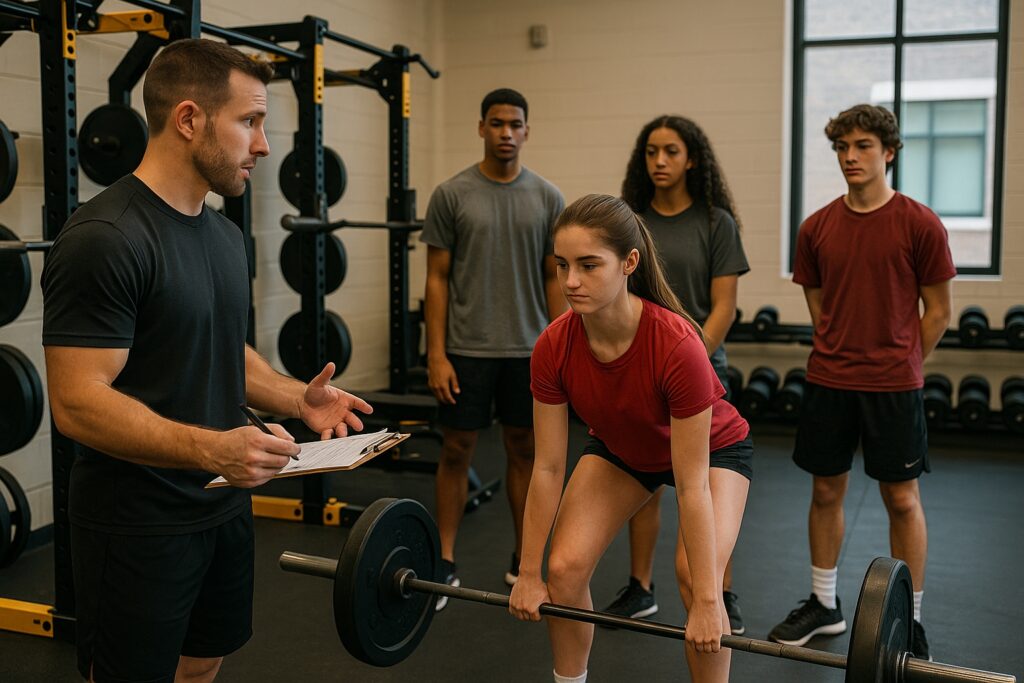
Safety remains paramount in weight training classes. Supervising all exercises minimizes injury risks, ensuring students practice correct techniques. It’s vital to teach students how to use equipment properly, which enhances their confidence and familiarity. Establishing a thorough warm-up routine prepares the body for physical activity. Maintaining a clean gym area prevents accidents, providing a safe space for all. Additionally, offering modifications for exercises addresses varying fitness levels, ensuring inclusivity. Regularly reviewing safety protocols reinforces awareness, encouraging students to support each other in maintaining a safe environment.
Setting Goals and Objectives
Setting clear goals and objectives optimizes weight training sessions. Establishing both short-term and long-term goals provides structure for students. Short-term objectives can focus on improving form, while long-term aspirations might center on lifting specific weights. Moreover, discussing individual and group goals fosters collaboration, motivating students to achieve collectively. Incorporating measurable outcomes, such as tracking progress in strength levels, keeps students accountable. Regularly evaluating these goals allows for adjustments based on individual progress. Framing goals within a growth mindset encourages perseverance, emphasizing personal development and achievement.
Sample High School Weight Training Lesson Plans
Creating lesson plans for high school weight training involves crafting structured routines that cater to various student ability levels. Each plan should focus on effective strength-building exercises while ensuring safety and engagement.
Beginner Level Plan
Beginner students benefit from a focus on foundational movements. Incorporate exercises such as bodyweight squats, push-ups, and planks to build core strength. Start each session with a dynamic warm-up lasting 10 minutes, followed by 20 minutes of workout circuits that emphasize technique. Allocate time for instruction on proper form for exercises, specifically the squat and bench press, ensuring students grasp the fundamentals. Conclude with a cool-down session that includes stretching. Prioritize a supportive atmosphere, encouraging gym camaraderie.
Intermediate Level Plan
Intermediate students should experience greater complexity in their routines. Introduce free weights, like dumbbells or kettlebells, alongside compound movements such as deadlifts and lunges. Begin with a 15-minute warm-up that incorporates agility drills or light cardio. Dedicate 30 minutes to focused strength training workouts with repetitions ranging from 8 to 12 for each exercise. Implement partner work for exercise modifications, fostering teamwork during lifting techniques. Wrap up with a cool-down that includes targeted stretching to aid recovery. Emphasize tracking progress through fitness journals.
Advanced Level Plan
For students at an advanced level, tailored workouts should challenge their established strength. Implement a mix of Olympic lifts, including clean and jerk, alongside advanced resistance exercises targeting various muscle groups. Each session starts with a thorough 15-minute warm-up focusing on mobility and activation drills. Allocate 40 minutes for intense strength circuits pushing students to lift heavier weights, encouraging them to work within their safe limits. Add a competitive component through timed sets or max lift challenges. Finish with cooldown stretches to enhance flexibility and prevent injury. Promote personal goal-setting and feedback for continuous improvement.
Incorporating Technology in Weight Training Lessons
Integrating technology into weight training lessons enhances student engagement and tracks progress effectively. Utilizing fitness apps can help students monitor their routines and advancements in real time. Many apps offer features like exercise libraries and instructional videos, enabling students to learn proper techniques independently.
Wearable fitness trackers serve as valuable tools, providing data on heart rates and calories burned during workouts. This information encourages students to set personal fitness goals and strive for improvement. By sharing this data in group discussions, students can foster accountability while learning about the importance of physical health.
Virtual platforms also support weight training lessons. Online tutorial videos can supplement in-person instruction, especially for complex exercises that benefit from visual guidance. Additionally, platforms for community forums allow students to connect with peers, share tips, and motivate each other outside of classroom settings.
Incorporating social media into weight training routines fosters a sense of community among students. Students can create workout challenges or share their progress through platforms like Instagram for positive reinforcement. This engagement combats feelings of isolation by encouraging collaboration and camaraderie.
Using technology for assessment is another effective approach. Digital platforms enable instructors to evaluate student performance through video submission for technique analysis. Constructive feedback based on these assessments guides students toward better practices and achieving their goals.
Finally, pairing technology with nutritional education promotes a holistic approach to health among students. Nutrition apps can help track dietary choices, reinforcing the connection between diet and performance. Delivering this information alongside weight training instruction cultivates informed decision-making regarding fitness and wellness.
High school weight training offers much more than physical benefits. It cultivates a supportive environment where students can thrive both mentally and socially. By implementing well-structured lesson plans that prioritize safety and engagement, educators can create a dynamic atmosphere that encourages personal growth and teamwork.
Integrating nutrition education and technology into these plans enhances the overall experience, promoting healthier lifestyle choices and fostering accountability. As students progress through various levels of training, they not only develop strength but also resilience and confidence. Embracing these elements ensures that weight training becomes an integral part of their high school journey, leaving lasting impacts that extend beyond the gym.


