
Table of Contents
ToggleImagine a world where every student unlocks their full potential, and teachers wield the secret keys to motivation. Welcome to the fascinating realm of educational psychology, where the mysteries of the mind meet the art of learning. It’s not just about textbooks and tests; it’s about understanding how people think, learn, and grow in educational settings.
This dynamic field dives deep into the psychological principles that shape the classroom experience, helping educators craft strategies that make learning engaging and effective. Whether it’s tackling learning disabilities or harnessing the power of positive reinforcement, educational psychology equips teachers with the tools to transform lives. So grab your favorite mug of coffee and get ready to explore how this discipline can revolutionize education—because who wouldn’t want to turn every “why” into a “wow”?
Overview of Educational Psychology
Educational psychology focuses on the psychological processes that influence learning and teaching. Its principles provide insights into how students absorb information and engage with their environment. This field applies theories from cognitive psychology, behavioral psychology, and developmental psychology to enhance educational practices.
Learning theories like constructivism and behaviorism play vital roles in shaping educational methodologies. Educators utilize these theories to create environments that facilitate effective learning and retention. Positive psychology components offer strategies for fostering student motivation and resilience.
Research within educational psychology addresses diverse topics, including motivation, learning disabilities, and instructional strategies. Studies show that understanding individual learning styles can tailor interventions to meet specific needs. Addressing these unique requirements ensures more personalized educational experiences.
Furthermore, educational psychologists often collaborate with teachers, parents, and administrators. They advocate for evidence-based practices that support student success. Implementing these strategies leads to improvements in classroom dynamics and student engagement.
Finally, the importance of feedback in learning is significant. Research emphasizes that constructive feedback helps students understand their progress and areas for improvement. Incorporating regular assessments not only reinforces learning but also encourages a growth mindset among students.
Historical Development of Educational Psychology
Educational psychology evolved through various stages influenced by notable theorists and changing educational practices. This field addresses how psychological principles enhance teaching and learning experiences.
Key Theorists and Their Contributions
Sigmund Freud introduced psychoanalysis, emphasizing the impact of childhood experiences on learning. B.F. Skinner advanced behaviorism, highlighting the importance of reinforcement in shaping behaviors. Jean Piaget focused on cognitive development, detailing how children construct knowledge through stages. Lev Vygotsky contributed sociocultural theory, which stressed the role of social interaction in learning. Each theorist provided a unique perspective, shaping contemporary educational practices. These foundational ideas continue to influence modern approaches to student engagement and instructional strategies.
Evolution of Educational Practices
Initially, education focused on rote memorization and direct instruction. Behavioral theories promoted structured learning environments emphasizing reward systems. Subsequently, constructivist principles emerged, advocating active learning through exploration. Integration of technology transformed classrooms into interactive spaces, facilitating personalized learning experiences. Collaborative learning gained traction, encouraging teamwork and communication among students. The focus shifted toward student-centered approaches, recognizing the diversity in learning styles and motivations. This evolution has enhanced the effectiveness of educational methodologies, resulting in more engaging and meaningful learning experiences.
Major Concepts in Educational Psychology
Educational psychology encompasses several key concepts essential for enhancing student learning and teaching effectiveness. Understanding these concepts allows educators to create more personalized and impactful educational experiences.
Learning Theories
Learning theories form the backbone of educational psychology. Constructivism emphasizes active learning, encouraging students to build knowledge through experiences. Behaviorism focuses on observable behaviors, highlighting the impact of reinforcement and punishment on learning outcomes. Cognitivism stresses internal mental processes and recognizes the importance of information processing. Each theory provides distinct insights that teachers can apply to develop effective instructional strategies, making it crucial for educators to integrate these approaches based on their students’ needs.
Motivation and Engagement
Motivation significantly influences student engagement in the learning process. Intrinsic motivation drives a love for learning, while extrinsic motivation relies on external rewards. Strategies like goal setting and providing autonomy can enhance motivation, leading to deeper engagement. Understanding the factors that influence motivation allows educators to foster a positive classroom environment. Engaged students are more likely to take ownership of their learning, benefiting from an enriched educational experience.
Cognitive Development
Cognitive development describes how students think and learn. Jean Piaget’s theory outlines stages of cognitive growth, emphasizing the importance of developmental appropriateness in education. Vygotsky’s social development theory highlights the role of social interaction in learning, promoting collaborative learning experiences. Educators should recognize the diversity in cognitive development among students to tailor their teaching methods. Adapting instruction to match developmental stages fosters a more effective learning environment, supporting every student’s unique journey toward knowledge acquisition.
Applications of Educational Psychology
Educational psychology finds extensive applications in various educational environments. By addressing diverse needs, it enhances learning experiences for all students.
In Classroom Settings
Teachers leverage psychological principles to create engaging learning environments. They apply motivational strategies that foster student engagement, employing techniques like goal setting and positive reinforcement. Effective classroom management relies on understanding behavioral theories, enabling teachers to address disruptions promptly. Additionally, differentiated instruction emerges from insights into individual learning styles, allowing educators to tailor lessons according to student needs. Incorporating formative assessments provides real-time feedback, supporting students’ learning journeys and promoting a growth mindset.
In Special Education
Educational psychology plays a crucial role in special education by supporting tailored interventions. Professionals assess students’ unique needs using standardized tests and observational methods, leading to individualized education plans (IEPs) that foster success. Positive psychology principles enhance resilience in students facing challenges, ensuring they receive the encouragement necessary for personal growth. Collaboration between educational psychologists and teachers enhances instructional strategies, addressing specific learning disabilities effectively. Regular progress monitoring ensures that adaptations remain impactful and relevant to each student’s educational experience.
Future Trends in Educational Psychology
Technological integration drives future trends in educational psychology. Online learning platforms and educational apps enhance student engagement and personalization. Adaptive learning technologies tailor educational experiences to individual needs, allowing for more effective learning outcomes.
Data analytics emerges as a powerful tool in understanding student behavior and performance. Educators leverage insights from this data to identify areas for improvement and to create targeted interventions. Predictive analytics indicates at-risk students, enabling timely support that fosters academic success.
Mental health awareness continues to gain traction in educational environments. Schools increasingly incorporate social-emotional learning (SEL) programs to promote well-being among students. Educators recognize the link between mental health and academic performance, emphasizing holistic approaches that address both cognitive and emotional needs.
Neuroscience enhances the understanding of learning processes. Research in brain development influences instructional strategies, helping educators implement practices that align with cognitive development. Insights from neuroscience inform the creation of environments that support optimal learning conditions.
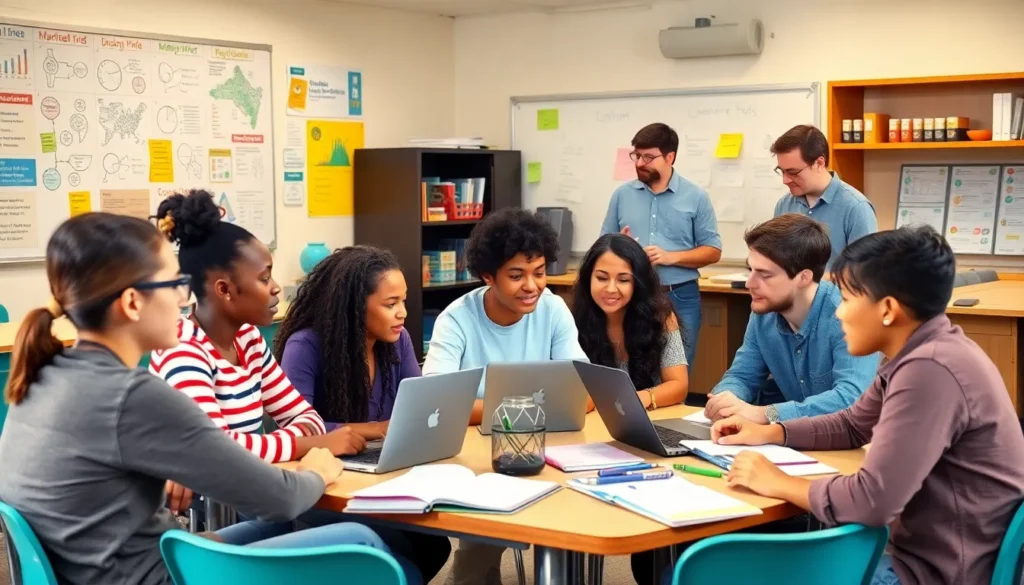
Collaborative learning environments grow in popularity within educational settings. Group work and peer interactions encourage skills like communication and teamwork. Such approaches align with the principles of constructivism, emphasizing active learning through social engagement.
Professional development for educators is increasingly focused on emotional intelligence. Training in empathy, resilience, and self-regulation equips teachers with skills to foster supportive classroom climates. Continued education ensures that teachers remain effective in adapting to students’ changing needs.
Overall, collaboration between educational psychologists and technology developers shapes innovative solutions. This partnership promotes evidence-based practices that enhance student learning experiences. As educational psychology evolves, it maintains a focus on improving outcomes for all students.
Educational psychology plays a pivotal role in shaping effective teaching and learning environments. By applying psychological principles educators can create tailored strategies that meet diverse student needs. This field not only enhances academic performance but also fosters emotional and social development.
As the landscape of education continues to evolve technological advancements and an increasing focus on mental health are transforming practices. The collaboration between educators and educational psychologists is essential for developing innovative solutions that support student success.
The insights gained from educational psychology will remain crucial in creating engaging and inclusive educational experiences that empower both students and teachers alike.


